


Treatment Concept
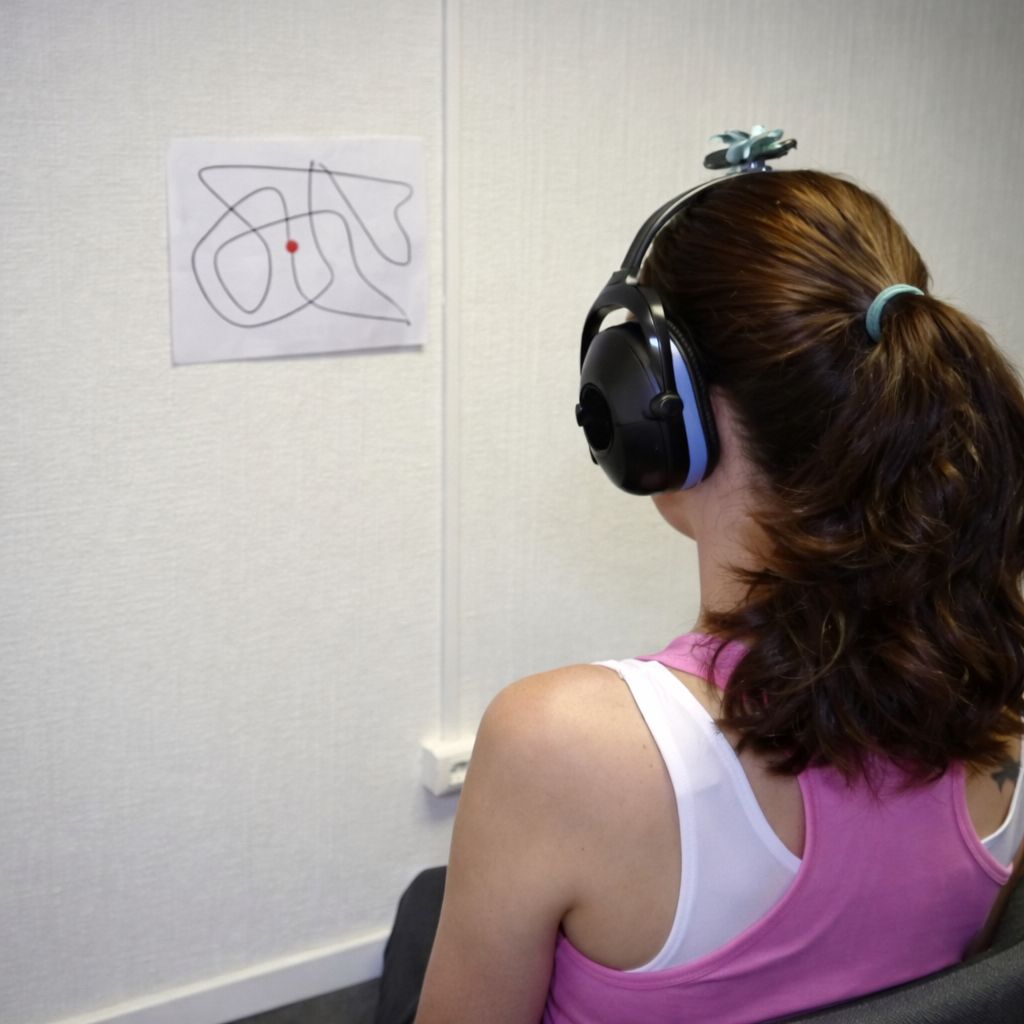


In this 3-day Cervico-Ocular-Vestibular (COV) course (including online sessions), we explore the powerful interaction between the neck, eyes, and vestibular system and what it means for posture, balance, dizziness, oorofacial dysfunctions and headache presentations in children and adults.
You’ll learn a practical, evidence-informed assessment of the craniocervical and oculomotor systems, including differential reasoning (neck vs. TMD/orofacial/neural drivers) and key clinical patterns (e.g., migraine, TTH, cervicogenic headache). The course is supported by an extensive e-learning program with the latest reading materials, which you will get access to.With plenty of hands-on practice, we translate findings into an individualized treatment and rehabilitation plan, combining targeted manual techniques and exercise strategies for cervico-ocular and vestibular dysfunctions.
If you want sharper clinical reasoning and faster clarity in complex head–neck–eye cases: join us ! We are looking forward to meet you.
Craniofacial- Cervical Dominance
• Current headache classifications and practical clinical interpretation
• Functional anatomy and biomechanics of the juvenile and adult craniocervical region
• Assessment and treatment of the maxillofacial Region in children
• Differential testing: craniocervical vs TMD, facial, and neural drivers
• Neuromusculoskeletal treatment and management strategies
Oculomotor- Vestibular Dominance
• Cervical-vestibular-ocular reflex systems: mechanisms, dysfunctions, and symptom patterns
• Assessment of cervico-ocular reflex systems
• Neuromusculoskeletal ocular assessment in adults and children
• Rehabilitation and management of ocular, vestibular, and cervical dysfunctions
Educational objectives
By the end of the module, participants will be able to:
• Explain key facilitation systems influencing posture, balance, equilibrium, and visual function
• Summarize current evidence on traumatic head/face disorders and related vestibular, visual, and somatosensory dysfunction
• Assess and interpret (dys-)function of vestibular, visual, and somatosensory systems
• Design an individualized treatment plan with context-specific rehabilitation exercises
• Apply specific (manual) assessment and treatment techniques for the head-face-neck region
• Integrate (manual) techniques based on clinical reasoning into physiotherapy management of cranio-cervical-facial and ocular dysfunction
Training course objectives
• Assess postural control in relation to vestibular, visual, and somatosensory systems
• Recognize cervical and oculomotor dysfunction based on sensorimotor deficits
• Integrate cervical, vestibular, visual, and postural assessment findings using a 5 x 5 protocol
• Apply ocular and cervical neuromuscular techniques to support an individually tailored
rehabilitation program (children and adults)
• Strengthen cognitive and clinical-reasoning skills that support neuromusculoskeletal
management


