

Basic Training


The FDM training system created by the European Fascial Distortion Model Association (EFDMA) is modular and covers FDM Basic Modules 1–3, Practical Training, the FDM Basic Certificate (FDM BC), advanced training courses, and the instructor certification process.
FDM Basic training is provided exclusively by certified FDM instructors who have been trained in accordance with EFDMA standards.
Module 1 serves as an introduction to FDM training and includes the following topics:
* Introduction to the Fascial Distortion Model
* 6 fascial distortions
* Assessment of pain body language
* General evaluation and treatment principles
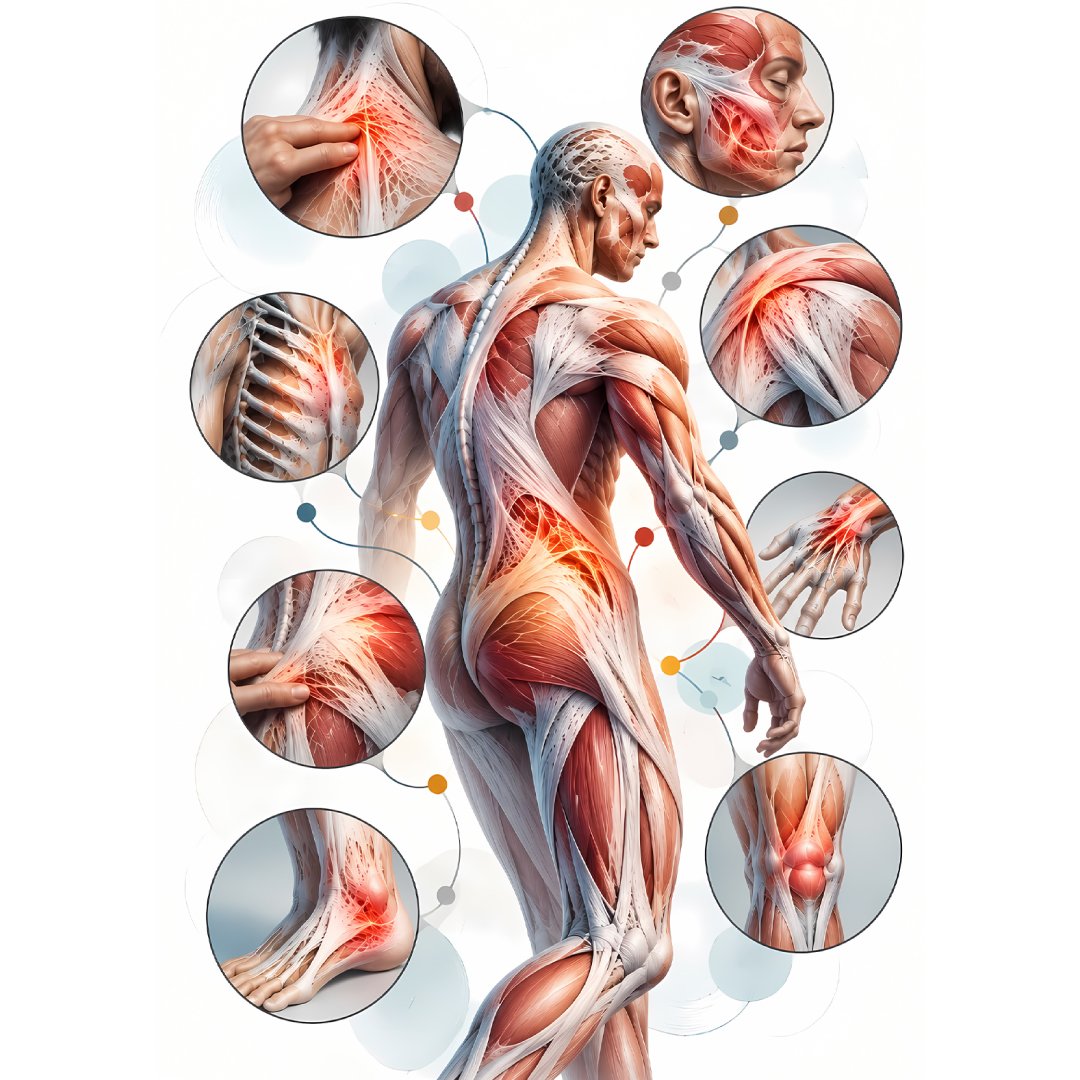
* FDM assessment and treatment techniques targeting the shoulder, knee, and ankle regions
serves as an introduction to FDM training and includes the following topics:
* Introduction to the Fascial Distortion Model
* 6 fascial distortions
* Assessment of pain body language
* General evaluation and treatment principles
* FDM assessment and treatment techniques targeting the shoulder, knee, and ankle regions
FDM Module 2
Along with the review and deepening of foundational knowledge, the evaluation and treatment of the following regions using the Typaldos Method are covered:
* Pelvis and hip
* Lower back and thoracic region
* Neck
In this module, FDM evaluation and treatment techniques are taught for:
* Upper extremity
* Lower extremity
* Head region
Practical Training
Participants who complete FDM Basic Modules 1–3 can attend Practical Training. In this course, basic FDM applications are reviewed, refined, and deepened in terms of clinical application.
FDM Basic Certificate (FDM BC)
Following the completion of Modules 1–3, participants can take theoretical and practical examinations to earn the FDM Basic Certificate.
Successful participants can be certified by the EFDMA and included in the relevant FDM doctor and therapist registry list.