


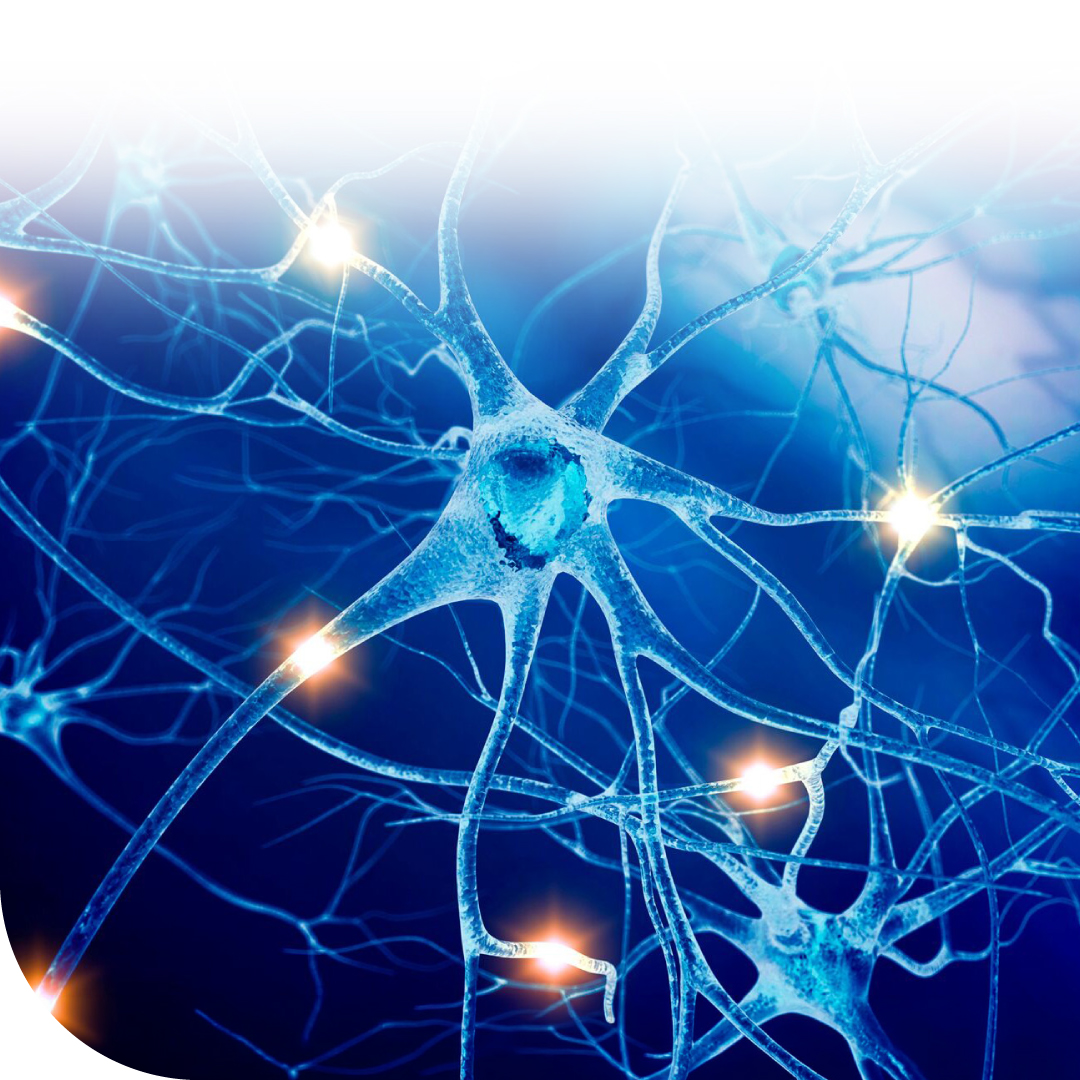


Balancing the immune system, reducing silent inflammation and ageing processes, and improving overall well-being
Traditional knowledge from osteopathy, acupuncture and reflex therapy meets modern science.
How can local and systemic dysregulations be identified and therapeutically influenced? This course combines neurophysiological insights with osteopathic treatment approaches to target the autonomic nervous system and the immune system – visceral, parietal/fascial and cranial.
The missing link in many functional disorders
How does treatment influence the body’s own regulatory mechanisms?
A manual stimulus triggers a cascade of neurophysiological processes: from the reception of afferent sensory information and its central processing to autonomic regulation.
These processes can influence, among other things, blood circulation, heart rate, breathing, muscle tone and immune activity.
A particular focus is placed on the interplay between chronic silent inflammation and ageing – the phenomenon known as inflammaging.
Targeted hands-on practice instead of abstract theoretical models: We work on key regulatory zones to specifically engage and support the body’s own regulatory mechanisms.
Part 1 – The Innate Immune System
Fundamentals of innate, non-specific immune regulation and the interaction of its diverse cellular components: macrophages, dendritic cells, neutrophils and other immune cells.
Part 2 – The Parasympathetic Nervous System: The Body’s Continuous Monitoring System
Assessment and treatment techniques – a.o.:
Part 3 – The Sympathetic Nervous System:
Anatomy of the sympathetic nervous system and sympathetic anti-inflammatory reflexes
Assessment and treatment techniques – a.o.:
Part 4 – Balancing the Immune System and Healthy longevity
A practical course combining traditional osteopathic knowledge with modern science. Explore the neurophysiological connections between the nervous system, the immune system, inflammation and longevity – and expand your therapeutic understanding with targeted approaches to immuno-vegetative regulation.


